Background
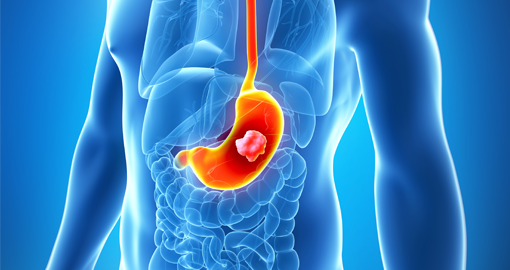
Of patients with gastric cancer, 30% have peritoneal metastases at diagnosis. This is associated with a poor prognosis, with a median survival of 9–10 months. Early detection of peritoneal metastases is therefore essential for an individual treatment plan, but is hampered by the limited sensitivity of current imaging. Conventional cytological analysis of peritoneal fluid in patients with gastric cancer has a low sensitivity (12–67%), resulting in frequent false-negative results. There is therefore a need for an accurate method to detect peritoneal spread at an early stage.
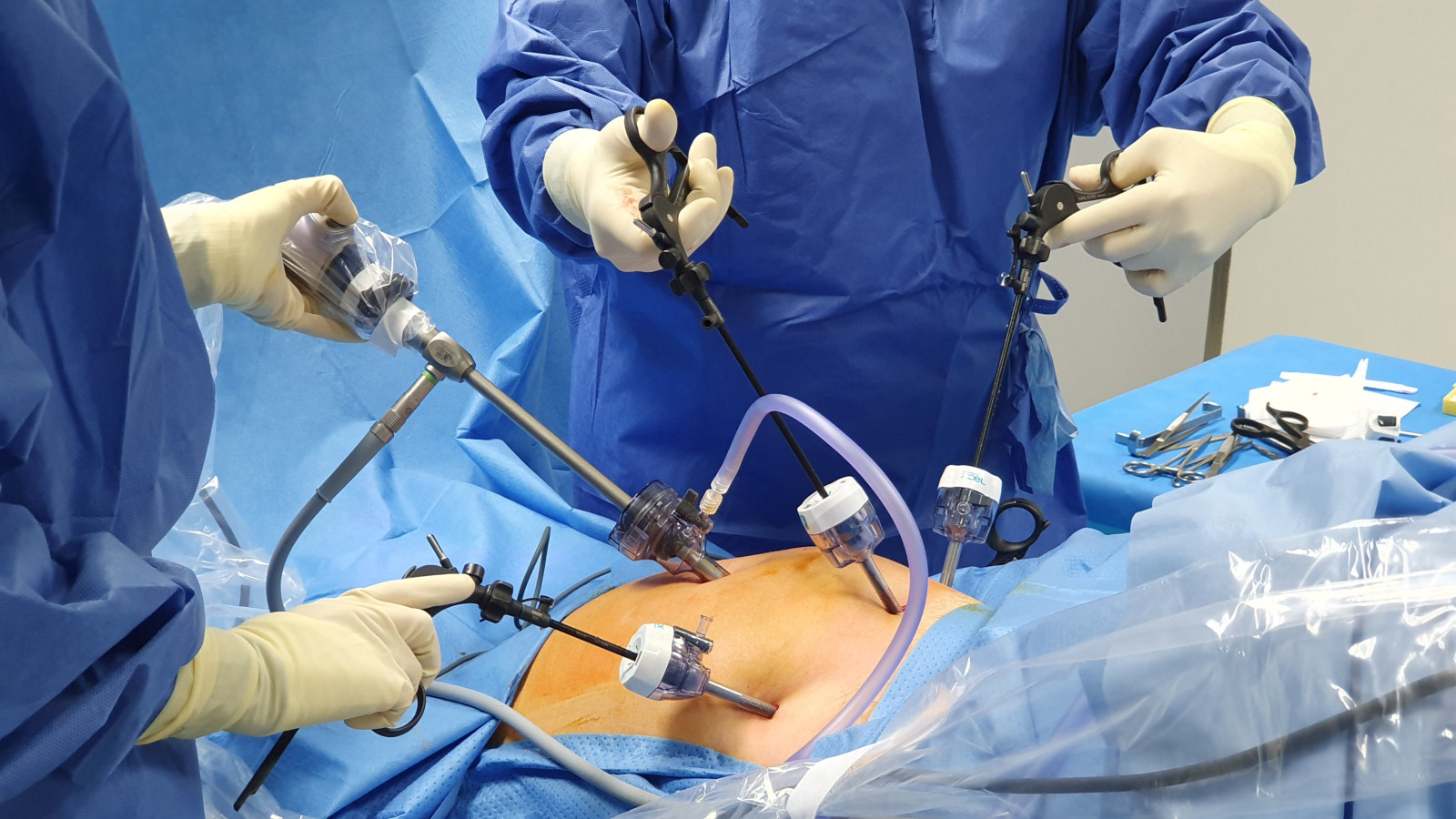
An alternative approach for detecting peritoneal metastases is analysis of cftDNA in abdominal (lavage) fluid obtained during diagnostic laparoscopy. Previous studies showed that cftDNA is detectable in peritoneal fluid in various types of cancer, and was more sensitive than conventional cytology for the detection of peritoneal metastases.
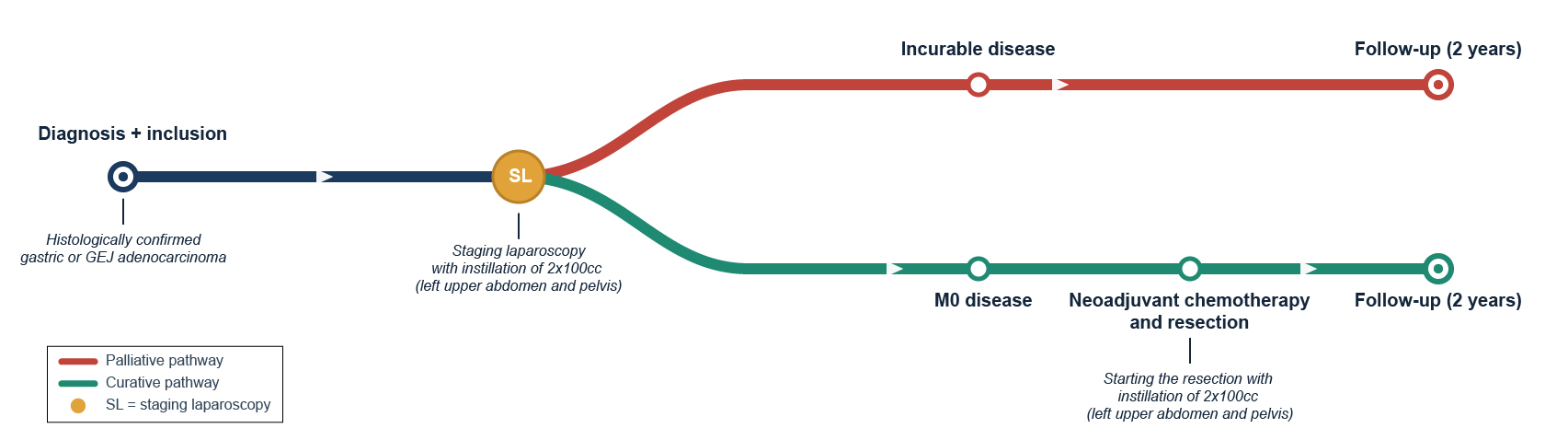
To investigate this further, a proof-of-principle study was carried out at the NKI-AvL into the feasibility of tumour-guided cfDNA detection in peritoneal fluid of patients with gastric cancer. This showed that tumour-guided cftDNA detection in abdominal (lavage) fluid of patients with gastric cancer is feasible, with a higher sensitivity than conventional cytology for detecting peritoneal disease (91% versus 64%). Notably, two patients in whom no peritoneal disease was seen at the time of diagnostic laparoscopy and in whom the conventional cytology of the abdominal (lavage) fluid was tumour-negative, but in whom cftDNA was detected in the lavage fluid, nevertheless developed peritoneal metastases within six months. This finding suggests that the detection of cftDNA in abdominal (lavage) fluid can predict the development of peritoneal metastasis.